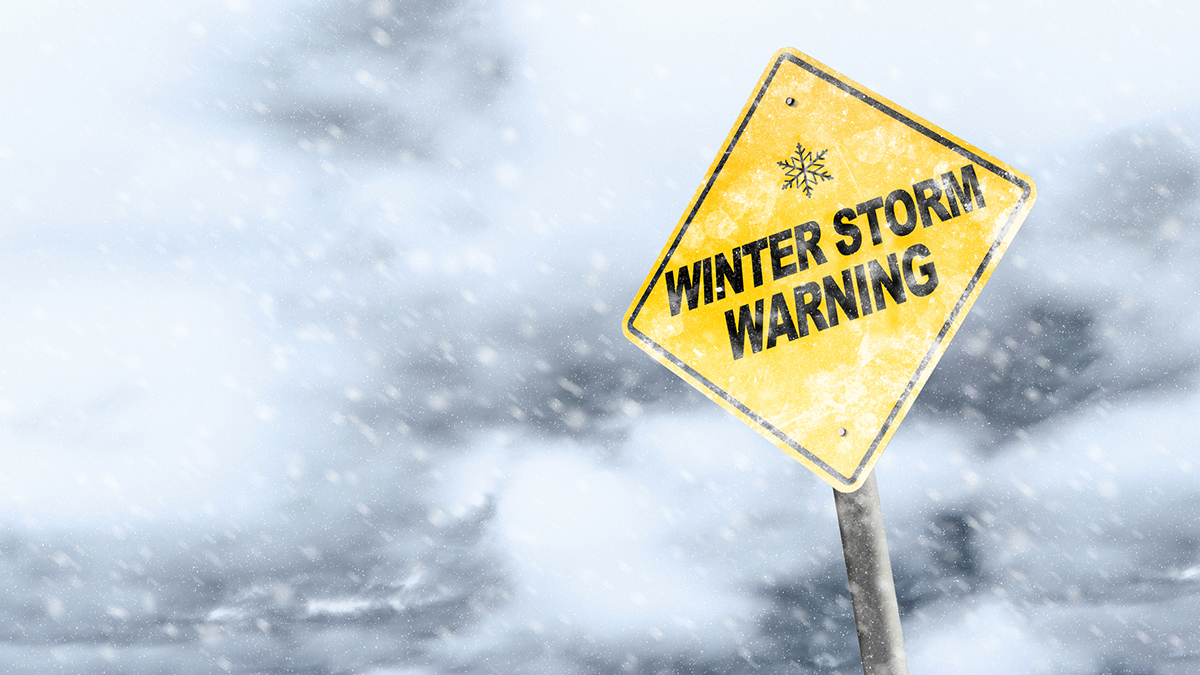
Winter Storm Warning: Prepare for Treacherous Travel & Power Outages
A formidable winter storm is currently bearing down on a vast expanse of the country, triggering urgent Winter Storm Warning Weather alerts for millions. From the expansive Northern Plains stretching across the Great Lakes region, communities are bracing for a multi-faceted assault of blizzard conditions, heavy snowfall, dangerous ice, and life-threatening cold. The National Weather Service (NWS) has pulled no punches, emphasizing that this isn't just a nuisance – it's a serious and potentially life-threatening event demanding immediate preparation and vigilance.
Officials are sounding the alarm for significant travel disruptions, widespread power outages, and dangerously low temperatures that could lead to frostbite and hypothermia. As Dr. Emily Clark, an NWS meteorologist, warned, "Travel will become nearly impossible in many areas, and wind chills could drop to dangerously low levels, creating a high risk of frostbite and hypothermia." This comprehensive guide will help you understand the impending threats, prepare your home and family, and navigate the challenging conditions ahead.
Understanding the Threat: Blizzard Conditions, Heavy Snow & Ice
The core of this winter onslaught is its sheer intensity and broad scope. Forecasts indicate heavy snowfall rates, with some areas experiencing 1-2 inches per hour. Total accumulations could easily exceed a foot in specific regions, particularly across parts of Minnesota, Wisconsin, and Michigan. A Winter Storm Warning, as issued by your local NWS office, signifies that a significant winter weather event — involving snow, ice, sleet, or blowing snow, or a hazardous combination thereof — is expected or occurring. Under such conditions, travel is advised against and may become difficult or impossible.
Further escalating the danger, a Blizzard Warning has been issued for open areas, signifying severe winter weather conditions. This isn't merely about heavy snow; it involves frequent wind gusts of 35 mph or greater, accompanied by falling and/or blowing snow, which frequently reduces visibility to less than 1/4 mile for three hours or more. The result? Treacherous whiteout conditions and significant snow drifts that can trap vehicles and isolate communities. If a Blizzard Warning is in effect for your area, the message is unequivocal: Do not travel. If absolutely essential travel is undertaken, ensure you have a comprehensive winter survival kit in your vehicle, and if stranded, stay with your vehicle and await assistance.
Beyond the snow, dangerous ice accumulations further south pose a unique threat. Even a thin glaze of ice can transform roads, sidewalks, and untreated surfaces into treacherous hazards, making travel exceedingly difficult. This ice, combined with strong winds and heavy snow, significantly increases the risk of widespread power outages as it weighs down power lines and trees. Utility companies are already on high alert, mobilizing crews and resources to address potential disruptions.
Beyond Snow: The Southern Tornado Threat with Winter Storm Iona
Adding another layer of complexity to this massive system is its contrasting impact on different regions. While the Great Lakes and Upper Midwest grapple with blizzards and heavy snowfall under the influence of what some are tracking as Winter Storm Iona, the southern end of the storm presents a dramatically different and equally dangerous picture. Here, warmer air is mixing in, creating atmospheric instability that could fuel a major severe storm threat, including gusty winds and tornadoes.
This stark geographical division highlights the dynamic nature of large-scale weather systems. For severe thunderstorms and tornadoes to develop, specific atmospheric ingredients are crucial. One such ingredient is Convective Available Potential Energy (CAPE), which measures the amount of instability in the atmosphere. High CAPE values indicate a greater potential for thunderstorm development. Another key factor is wind shear – the change in wind speed or direction with height. Significant wind shear is a critical ingredient for the organization of thunderstorms into severe storms, capable of producing destructive winds and tornadoes.
Therefore, while residents in the northern reaches are preparing for snow shovels and blankets, those further south must remain vigilant for rapidly changing conditions, severe thunderstorm warnings, and potential tornado watches or warnings. Understanding this dual threat is paramount for comprehensive preparation. For more detailed insights into the contrasting impacts, you can refer to our article: Winter Storm Iona: Midwest Blizzards, Southern Tornado Threat.
Essential Preparations: Staying Safe & Connected
Given the severity of the impending conditions, proactive preparation is not just recommended, it's essential. Here’s how you can prepare to mitigate risks and ensure your safety:
- Build a Robust Emergency Kit: Your kit should be ready to sustain your household for at least 72 hours. Include non-perishable food, bottled water (one gallon per person per day), blankets, flashlights with extra batteries, a NOAA weather radio, a first-aid kit, and any necessary prescription medications. Don't forget pet food and supplies if you have furry family members.
- Charge All Devices: Ensure cell phones, laptops, and any portable power banks are fully charged before the storm hits. Keep a traditional landline phone handy if available, as these often remain operational during power outages.
- Plan for Power Outages: With heavy snow, ice, and strong winds, widespread power outages are a significant concern. Have alternative heating sources (safely!), such as a fireplace or wood stove, or consider a generator with strict adherence to safety guidelines (never operate indoors). Dress in layers, seal off unused rooms, and know how to safely shut off water to prevent frozen pipes.
- Stay Informed: Continuously monitor local National Weather Service updates, local news, and trusted weather apps. Conditions can change rapidly, and official alerts will guide your actions.
- Limit Travel: Once conditions begin to deteriorate, avoid all non-essential travel. Road conditions will quickly become hazardous, and emergency services may be overwhelmed. If you must travel, inform someone of your route and expected arrival time.
- Carbon Monoxide Safety: If using alternative heating sources or generators, ensure smoke and carbon monoxide detectors are fully functional. Never use outdoor heating devices indoors.
- Insulate Pipes: Prevent frozen pipes by insulating exposed pipes, allowing faucets to drip slightly, and opening cabinet doors beneath sinks.
Navigating NWS Alerts: Warnings, Watches & Advisories
Understanding the distinctions between different National Weather Service alerts is crucial for effective preparation. These alerts are issued by your local NWS office, which tailors criteria to regional conditions (e.g., the amount of snow triggering a Winter Storm Warning in the Northern Plains might be higher than in the Southeast).
- Warnings: A warning means a hazardous weather event is occurring, imminent, or has a very high probability of occurring. Immediate action is required to protect life and property. Examples include a Winter Storm Warning, a Blizzard Warning, or an Ice Storm Warning (which indicates significant and damaging ice accumulations).
- Watches: A watch means that conditions are favorable for a hazardous weather event to occur. This is the time to stay informed and prepare. For instance, a Winter Storm Watch means conditions are ripe for a winter storm to develop in the coming 12-48 hours.
- Advisories: An advisory indicates that hazardous weather conditions are expected, but they are generally less severe than a warning and typically pose less of a threat to life and property if precautions are taken. Exercise caution and stay aware of your surroundings.
Always prioritize warnings and take them seriously. Your local NWS office is the most reliable source for the most accurate and specific information regarding your immediate area.
Conclusion
This widespread winter storm is a serious and dynamic weather event, demanding the full attention and preparation of everyone in its path. From the threat of blinding blizzards and heavy snow to dangerous ice and the potential for severe storms and tornadoes on its southern flank, the risks are substantial. By understanding the threats, having a well-stocked emergency kit, making plans for potential power outages, and heeding official NWS warnings, you can significantly enhance your safety and resilience. Stay informed, stay prepared, and remember that timely action can make all the difference in navigating these treacherous conditions. Stay safe, stay warm, and be prepared.