Winter Storm Iona: Blizzard Warnings & Widespread Impacts
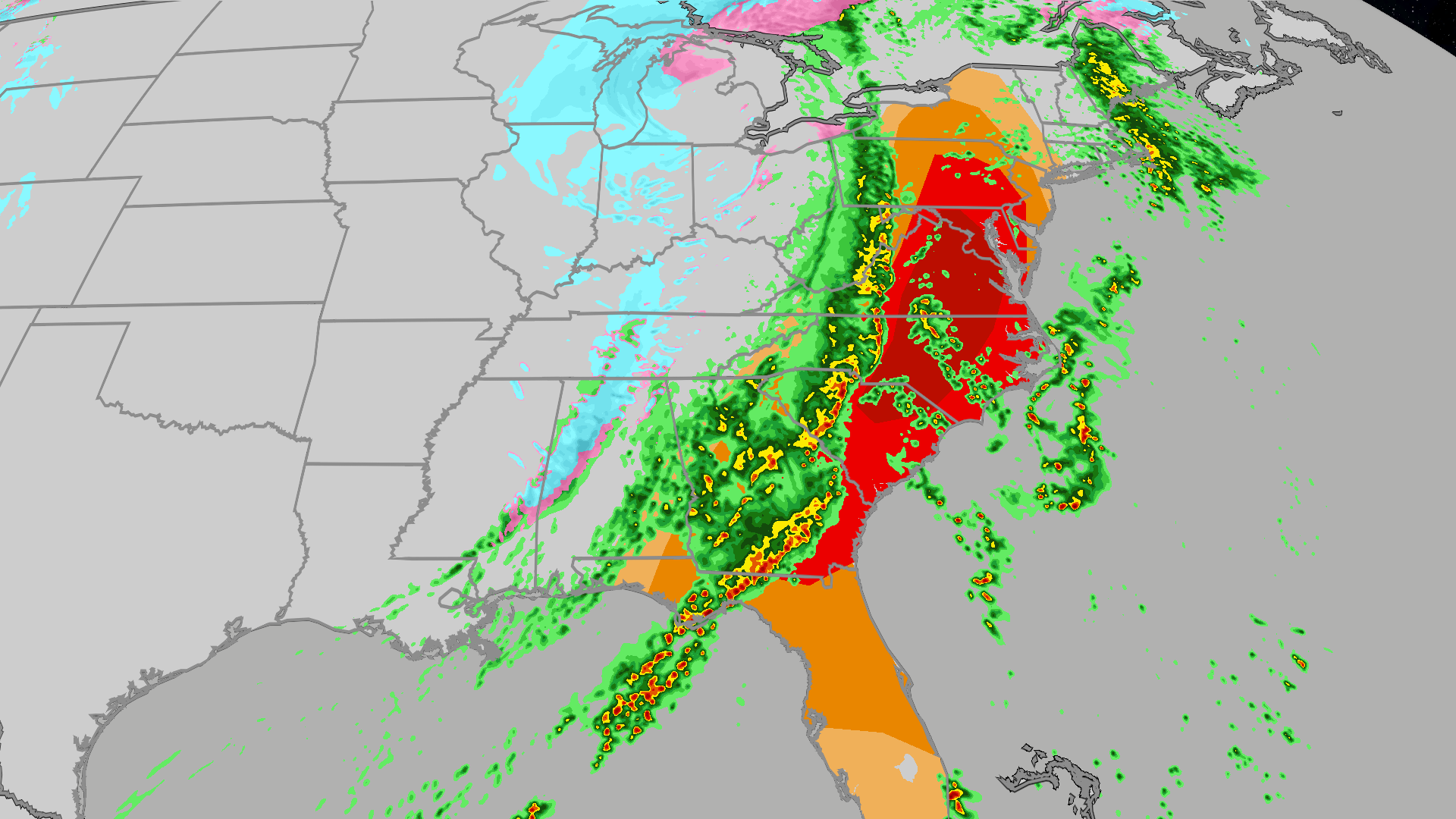
A formidable atmospheric event, dubbed Winter Storm Iona, is poised to unleash a devastating combination of blizzard conditions, crippling ice, and severe weather across a vast expanse of the United States. This monumental storm has prompted a cascade of **Winter Storm Warning Weather** alerts for millions, stretching from the Northern Plains through the Great Lakes and even introducing a significant severe weather threat to the southern U.S. As this multi-faceted system barrels across the country, officials from the National Weather Service (NWS) are issuing urgent calls for preparedness, emphasizing the potential for widespread travel disruptions, extensive power outages, and life-threatening cold.
NWS meteorologist Dr. Emily Clark underscores the gravity of the situation, stating, "This is a serious storm. Travel will become nearly impossible in many areas, and wind chills could drop to dangerously low levels, creating a high risk of frostbite and hypothermia." The sheer scale and diverse impacts of Winter Storm Iona demand immediate attention and proactive measures from residents in its path.
Iona Unleashes a Multi-Hazard Winter Storm
Winter Storm Iona is not a singular threat; it’s a complex weather system bringing multiple hazards to different regions. Understanding these distinct threats is crucial for effective preparation.
Blizzard Conditions Grip the Northern Plains and Great Lakes
The core of Iona's winter fury is concentrated in the Northern Plains and the Great Lakes region, where blizzard conditions are not just anticipated but expected. Forecasters predict heavy snowfall rates, reaching an alarming 1-2 inches per hour in some locales. Total accumulations could easily exceed a foot across parts of Minnesota, Wisconsin, and Michigan, transforming landscapes into treacherous, snow-covered expanses.
A
Blizzard Warning, as issued by the NWS, is a serious alert. It signifies severe winter weather conditions that are expected or occurring, characterized by frequent wind gusts of 35 mph or greater, combined with falling and/or blowing snow that frequently reduces visibility to less than 1/4 mile for three hours or more. Under such conditions, travel becomes extremely difficult, if not impossible, due to whiteout conditions and significant snow drifts that can rapidly block roads. The danger extends beyond visibility; strong winds coupled with intense cold elevate the risk of frostbite and hypothermia significantly. Residents in these areas must heed the **Winter Storm Warning Weather** alerts and avoid all unnecessary travel.
Dangerous Ice Accumulations and Treacherous Travel
Further south, where temperatures hover closer to the freezing mark, the threat shifts from heavy snow to dangerous ice. Iona is expected to bring significant ice accumulations, which can coat roads, trees, and power lines, turning even short commutes into perilous journeys. An
Ice Storm Warning is typically issued when a significant and damaging accumulation of ice is expected. Even a thin glaze of ice can make surfaces incredibly slick, leading to widespread accidents and falls. This layer of ice, combined with strong winds, can weigh down tree branches and power lines, exacerbating the risk of widespread power outages. Preparing for a potential loss of power is paramount for those under an ice threat.
Understanding the Threat: Beyond Snow and Ice
The immediate dangers of snow and ice are often visible, but Winter Storm Iona poses other, less obvious, but equally perilous threats.
Life-Threatening Cold and Wind Chill Factors
Beyond the visible precipitation, the air mass accompanying Winter Storm Iona will usher in dangerously low temperatures. Wind chills are projected to plummet to life-threatening levels, dramatically increasing the risk of frostbite and hypothermia. These conditions can set in rapidly, affecting exposed skin in mere minutes. Vulnerable populations, including the elderly, young children, and those without adequate shelter, are particularly at risk. It is crucial to dress in layers, limit time outdoors, and ensure heating systems are in working order to combat the extreme cold. Always check on neighbors and family members who may be susceptible to cold-related illnesses.
The Looming Specter of Power Outages
Utility companies across the affected regions are on high alert, bracing for the potential of widespread power outages. The combination of heavy, wet snow and accumulating ice weighing down power lines, coupled with strong winds, creates a perfect storm for infrastructure damage. Downed lines can not only cut off electricity but also pose electrocution hazards. Preparing for extended periods without electricity is a critical component of any **Winter Storm Warning Weather** plan. This includes having alternative heating sources (safely used), fully charged electronic devices, and knowing how to report outages to local utility providers. For comprehensive guidance on preparing for such eventualities, refer to our article on
Winter Storm Warning: Prepare for Treacherous Travel & Power Outages.
Southern Edge: A Severe Weather & Tornado Threat
In a striking contrast to the blizzards in the north, the southern flank of Winter Storm Iona presents a completely different, yet equally dangerous, threat: severe thunderstorms and tornadoes. As warm, moist air is drawn northward from the Gulf of Mexico and interacts with the colder air mass associated with Iona, atmospheric instability intensifies. This dynamic interaction creates an environment ripe for significant severe weather outbreaks.
Two key meteorological ingredients contribute to this threat:
- CAPE (Convective Available Potential Energy): This measures the amount of instability in the atmosphere. High CAPE values indicate significant potential for robust thunderstorm development, with stronger updrafts and potentially more severe storms.
- Wind Shear: Defined as the change in wind speed or direction with height, wind shear is a crucial ingredient for severe thunderstorm development, particularly those capable of producing tornadoes. It helps organize storms and can induce rotation, which is essential for tornadic activity.
This juxtaposition of blizzards to the north and a severe weather threat, including gusty winds and tornadoes, to the south makes Winter Storm Iona an exceptionally complex and dangerous system. For a deeper dive into this unique dual threat, explore our article:
Winter Storm Iona: Midwest Blizzards, Southern Tornado Threat.
Essential Preparations for a Winter Storm Warning Weather Event
Heeding warnings and preparing effectively can significantly mitigate the risks associated with a major winter storm like Iona.
Decoding NWS Warnings: Blizzard, Winter Storm, and Ice Storm
It’s important to understand the nuances of NWS advisories:
- Blizzard Warning: Issued when severe winter conditions (frequent gusts >35 mph, visibility <1/4 mile due to snow for 3+ hours) are expected or occurring. Travel is extremely dangerous; do not travel.
- Winter Storm Warning: Issued for a significant winter weather event including heavy snow, ice, sleet, or blowing snow, or a combination. Travel will become difficult or impossible; delay travel plans.
- Ice Storm Warning: Issued when a significant and damaging accumulation of ice is expected. This typically means 1/4 inch or more of ice accumulation, which can cause severe impacts to power lines and trees.
Each NWS office issues warnings based on local criteria, meaning the amount of snow required for a "Winter Storm Warning" can vary between regions. Always consult your local NWS office for the most accurate and relevant information for your area.
Your Emergency Kit Checklist
Every household should have an emergency kit ready, especially when a **Winter Storm Warning Weather** event is imminent.
- Food & Water: A 3-day supply of non-perishable food and one gallon of water per person per day.
- Warmth: Blankets, sleeping bags, and extra layers of clothing.
- Light & Power: Flashlights with extra batteries, battery-powered or hand-crank radio, and fully charged cell phones/power banks.
- First Aid: A well-stocked first-aid kit and any necessary prescription medications.
- Safety: Matches/lighters, a whistle to signal for help, and a carbon monoxide detector if you plan to use alternative heating sources like generators or propane heaters (ensure proper ventilation).
- Information: Important documents in a waterproof container.
Travel Safety and Staying Informed
Once conditions deteriorate, avoid unnecessary travel. If you must travel, inform someone of your route and expected arrival time, and carry a winter survival kit in your vehicle. This kit should include blankets, a shovel, a bag of sand/cat litter for traction, jumper cables, and a fully charged phone. If stranded, stay with your vehicle and wait for help to arrive. Continuously monitor local NWS updates via weather radios, TV, or reliable online sources.
Conclusion
Winter Storm Iona is a monumental weather event demanding serious attention and proactive preparation. With its diverse threats ranging from widespread blizzards and dangerous ice to life-threatening cold and severe southern thunderstorms, the impacts will be felt by millions. By understanding the specific **Winter Storm Warning Weather** advisories, preparing emergency kits, and prioritizing safety, communities can navigate this challenging period. Stay informed, stay prepared, and above all, stay safe as Winter Storm Iona unfolds across the nation.