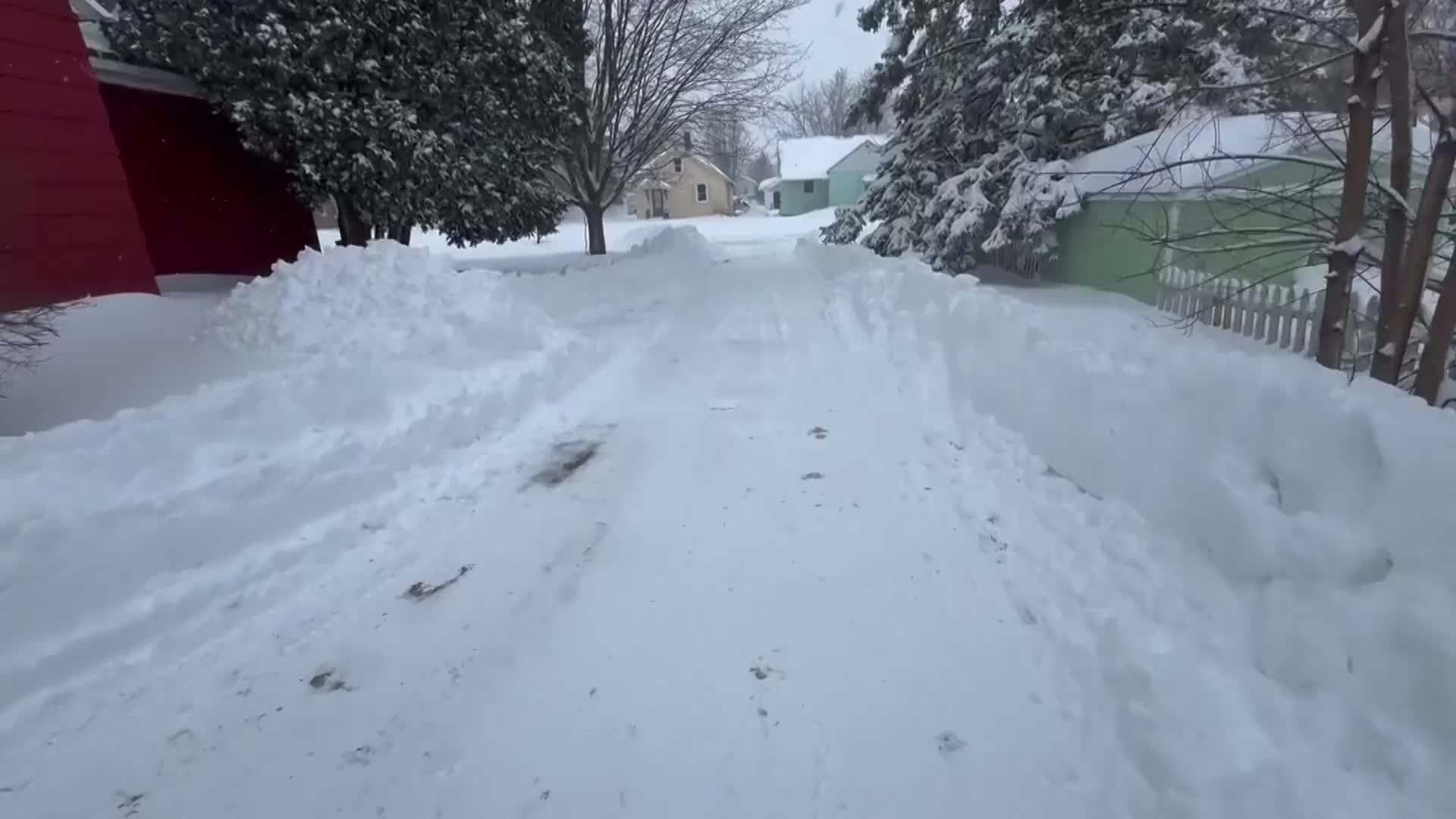
Winter Storm Iona's Dual Threat: Midwest Blizzards, Southern Tornadoes
A meteorological behemoth, dubbed Winter Storm Iona, is poised to unleash a devastating combination of severe weather across a vast stretch of the United States. From the frigid plains of the Midwest to the humid Gulf Coast, millions are bracing for its wrath. This colossal system is not just a typical winter storm; it's a dynamic weather event bringing crippling blizzards and life-threatening cold to northern regions, while simultaneously fueling a significant tornado and severe thunderstorm threat further south. The National Weather Service (NWS) has issued widespread Winter Storm Warning Weather alerts, urging residents to prepare for highly disruptive and dangerous conditions.
Forecasters are highlighting the unprecedented scope and intensity of Iona. Dr. Emily Clark, a meteorologist with the NWS, emphasized the storm's gravity: "This is a serious storm. Travel will become nearly impossible in many areas, and wind chills could drop to dangerously low levels, creating a high risk of frostbite and hypothermia." The differing impacts underscore the complex atmospheric dynamics at play, driven by a powerful system drawing in both arctic air and warm, moist southern air masses.
Midwest Braces for Crippling Blizzards and Extreme Cold
The primary focus of Winter Storm Iona's destructive power in the north will be across the Great Lakes and Upper Midwest. A massive swath of the country, from the Northern Plains through Wisconsin, Michigan, and Minnesota, is under various NWS warnings, including Blizzard Warnings and Winter Storm Warnings. These alerts signify imminent or occurring severe winter conditions that demand immediate attention.
Understanding Blizzard vs. Winter Storm Warnings
It's crucial for residents to understand the difference in these alerts:
- Winter Storm Warnings are issued for significant winter weather events that include heavy snow, ice, sleet, or blowing snow, or a combination of these hazards. Travel during a Winter Storm Warning will become difficult or impossible in some situations.
- Blizzard Warnings are more severe. They are issued when frequent gusts greater than or equal to 35 mph are accompanied by falling and/or blowing snow, frequently reducing visibility to less than 1/4 mile for three hours or more. Blizzard conditions lead to whiteout conditions, making travel extremely dangerous, if not impossible. The directive is clear: Do not travel.
In the path of Iona, heavy snowfall rates of 1-2 inches per hour are anticipated in some areas. Total snow accumulations could easily exceed a foot in parts of Minnesota, Wisconsin, and Michigan. These heavy snowfalls, combined with strong winds characteristic of blizzards, will create significant snow drifts and widespread whiteout conditions, particularly in open areas. For more detailed information on specific regional impacts and preparedness strategies, refer to our article: Winter Storm Iona: Blizzard Warnings & Widespread Impacts.
Life-Threatening Cold and Ice Accumulations
Beyond the snow, the wind chill factor will be a significant danger. Temperatures, combined with strong winds, will plummet wind chills to dangerously low levels, making exposure to the elements extremely risky. Frostbite can occur in minutes on exposed skin, and hypothermia is a serious threat. Further south within the winter storm's reach, but north of the severe weather threat, ice accumulations could make travel treacherous, contributing to widespread hazardous conditions.
Southern States Face Severe Weather and Tornado Risk
As the arctic air clashes with warmer, more moist air surging northward on the southern flank of Winter Storm Iona, a distinct and equally dangerous threat emerges: severe thunderstorms and tornadoes. This region, encompassing parts of the Lower Mississippi Valley, Gulf Coast states, and potentially extending eastward, is preparing for a different kind of extreme weather.
Atmospheric Instability: CAPE and Wind Shear
Forecasters are closely monitoring key atmospheric ingredients that point to a significant severe weather threat:
- CAPE (Convective Available Potential Energy): This measures the amount of instability in the atmosphere. High CAPE values indicate ample energy for the development of powerful thunderstorms.
- Wind Shear: Defined as the change in wind speed or direction with height, wind shear is a crucial ingredient for organizing thunderstorms into supercells, which are capable of producing tornadoes.
The combination of high CAPE and significant wind shear creates an environment ripe for strong to severe thunderstorms, characterized by damaging gusty winds, large hail, and the potential for multiple tornadoes. Residents in this threat zone must remain vigilant and have a plan in place to seek shelter immediately if warnings are issued.
Widespread Impacts and Critical Preparedness
The ripple effects of Winter Storm Iona are expected to be far-reaching, impacting daily life, infrastructure, and safety across both the blizzard-stricken Midwest and the tornado-threatened South. The sheer scale of this event necessitates comprehensive preparedness.
Power Outages and Travel Disruptions
Utility companies are on high alert, preparing for potential widespread power outages. Heavy snow and ice weighing down power lines, exacerbated by strong winds, create an ideal scenario for downed lines and extended outages. Travel disruptions will be severe across multiple states, affecting road, rail, and air travel. Authorities are strongly advising against unnecessary travel once conditions begin to deteriorate. If travel is unavoidable, ensuring your vehicle is equipped with a winter survival kit is paramount. Stay with your vehicle if stranded and await rescue.
Emergency Preparedness Kit: Your Lifeline
Every household in the affected regions should have an emergency kit ready. This kit is your lifeline during power outages and periods of isolation. Key items include:
- Food and Water: At least a three-day supply per person, non-perishable.
- Blankets and Warm Clothing: Essential for maintaining body heat during power outages.
- Flashlights and Extra Batteries: For illumination when the power goes out.
- Fully Charged Cell Phones and Portable Chargers: For communication.
- First-Aid Kit: For minor injuries.
- NOAA Weather Radio with Extra Batteries: To receive critical updates, especially if cell service or internet is down.
- Prescription Medications and Special Needs Items: Ensure an adequate supply.
- Pet Supplies: Food, water, and any necessary medications for your furry friends.
For a detailed guide on securing your home and what to include in your kit, consult our article: Winter Storm Warning: Prepare for Treacherous Travel & Power Outages.
Timeline for Impact
Winter Storm Iona is expected to begin impacting the western parts of the warning area by Tuesday evening, progressing eastward through Wednesday and Thursday. The severe weather threat in the south will also evolve during this period, typically peaking during the daytime and early evening hours. Staying informed about the latest forecasts from your local NWS office is crucial as the storm unfolds.
Staying Informed and Staying Safe
As Winter Storm Iona sweeps across the country, vigilance and preparedness are your strongest defenses. The widespread nature of this event, combining extreme winter hazards with severe convective weather, demands that all residents in the affected regions take these warnings seriously. Heed the advice of local officials, have your emergency plans in place, and prioritize safety above all else.
Whether you're battling blizzard conditions or preparing for potential tornadoes, understanding your local Winter Storm Warning Weather alerts and acting proactively will be key to navigating this powerful and dangerous weather system. Stay safe, stay warm, and stay informed.